Building The Vision · Automotive
What Is Appearance Protection on a Car? Worth It?
Learn what appearance protection covers, what it skips, and whether it is worth it. Insights for car buyers and F&I dealers from Elite FI Partners.
Last reviewed: July 2026.
If you just bought a vehicle and someone in the finance office offered you an “appearance package,” you probably left without a clear picture of what it was. And if you are a dealer, that confusion is exactly why the product underperforms on a lot of menus.
So here is the plain version, for both sides of the desk.
What is appearance protection on a car?
Appearance protection — often sold as an “appearance package” — is coverage for the cosmetic condition of your vehicle rather than its mechanical operation. A vehicle service contract covers the things that make a car run. Appearance protection covers the things that make it look like it did the day you took delivery.
That is the whole distinction, and it is the one most buyers miss. The two products do not overlap, which is why a dealership may offer both on the same deal.
Coverage is normally a combination of an applied product — a sealant or treatment on the paint, fabric or leather — and a contract that pays to remedy specified damage for a defined term. The applied treatment is not the product. The contract behind it is.
What an appearance package actually covers
Programs vary, but coverage generally falls into three groups:
- Interior. Fabric, carpet, leather and vinyl — spills, stains and the daily wear a cabin takes. This is usually the part owners end up using.
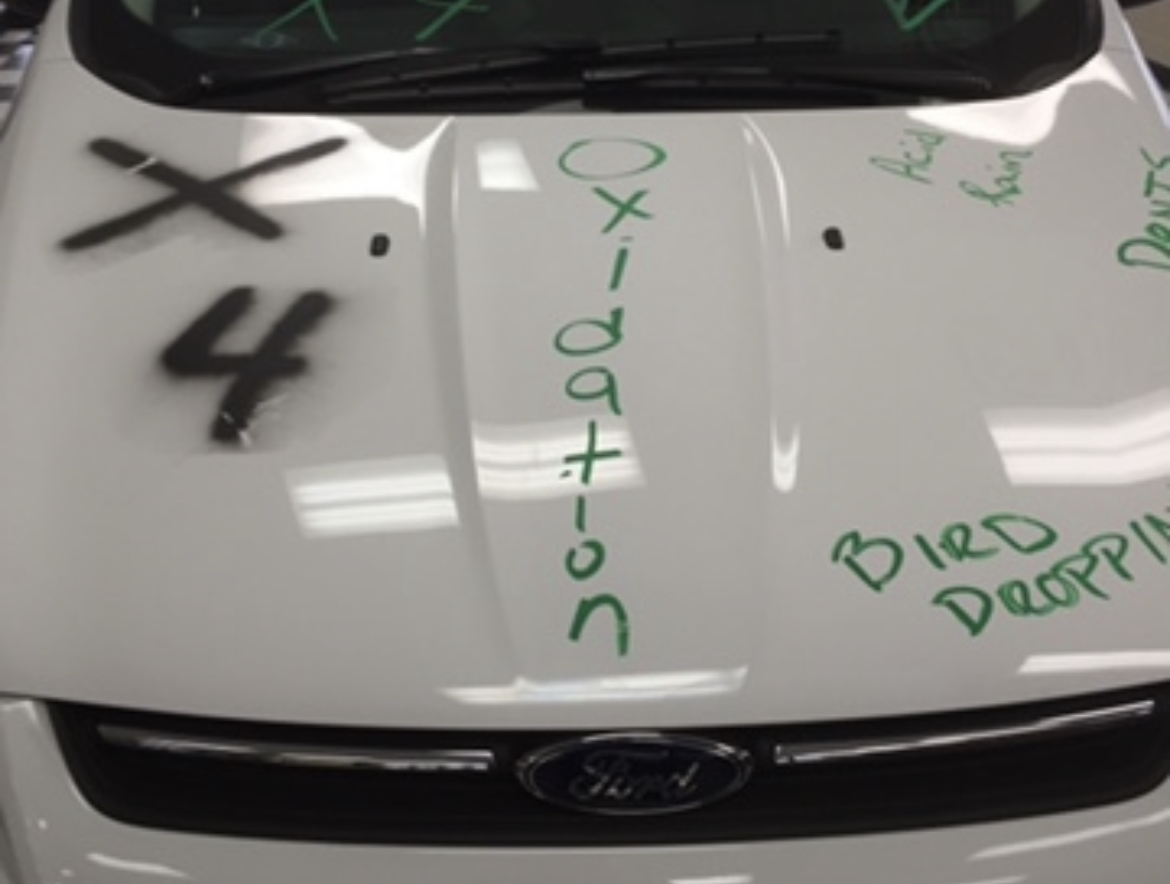
- Exterior paint and clear coat. Helping the finish resist fading, oxidation and grime rather than repairing collision damage.
- Environmental damage. Sun, weather, road salt, industrial fallout, tree sap and bird droppings — the things that attack a finish continuously whether the vehicle is driven or parked.
Depending on the program, an appearance package may also bundle in minor dent and ding repair, windshield chip repair, or wheel and paintless dent work. Those are frequently sold separately, so do not assume they are included.
Elite FI Partners places several appearance programs — including Xzilon and Ultimar, plus the Eco line for RV and powersports units. Specific coverage, terms and limits differ by program, and the appearance protection overview is where the actual program details live.
What it does not cover
This is the section most articles skip, and skipping it is why customers feel misled later. Appearance protection is not:
- Collision or accident damage. That is your auto insurance. An appearance contract is not a substitute for a comprehensive policy.
- Mechanical failure. That is a vehicle service contract.
- Unlimited detailing. It pays to remedy specified types of damage, not to keep the vehicle clean.
- Coverage for neglect or abuse. Every program excludes damage from failing to maintain the vehicle reasonably.
Read the exclusions before you sign. A dealer who walks you through them is doing you a favour, not talking themselves out of a sale.
Is appearance protection worth it?
Honestly, it depends on the vehicle and the owner — and any answer that does not depend on those is a sales pitch.
It tends to be worth it when:
- You are keeping the vehicle several years, so resale condition matters to you
- You park outside, commute in harsh weather, or drive in a salt or heavy-sun climate
- You have kids, pets or a work environment that puts the interior under real stress
- The vehicle is a light-coloured interior or a finish that shows wear quickly
It is a weaker fit when you lease short-term, garage the vehicle, plan to trade quickly, or would realistically absorb a stain or scratch yourself rather than file a claim.
The practical test: would you actually use it? A product you never claim on is a product you did not need, regardless of how well it was presented.
For dealers: why it belongs on the menu
Appearance protection is a high-attach, high-margin category, and unusually easy to present honestly, because the value is visible and tangible. The customer can see the surface you are talking about. That is not true of most F&I products.
It also sells on the right timeframe. Appearance protection is about the years after delivery, not the transaction — and a vehicle that keeps looking good is a recurring reminder that the customer made a good decision. That is retention, not just gross.
How to present it without overselling
The failure modes are consistent, and every one of them is avoidable:
- Presenting it as cosmetic only. Cosmetic condition is resale value. Frame it that way.
- Skipping discovery. Ask how and where the customer drives, parks and uses the vehicle. Their answer determines whether this product fits at all — and sometimes it does not.
- Weak product knowledge. If a manager cannot explain what the program covers and excludes, the customer hears uncertainty and declines. See product knowledge training.
- One-size presentations. A pickup that lives on a job site and a garaged sedan are not the same conversation.
- Rushing the menu. A skipped or hurried presentation costs this product more than any other, because it depends on the customer picturing years of ownership.
Presented with discipline, it lifts attach rates and product mix. Presented as a cosmetic upsell at the end of a long day, it gets declined and takes some trust with it.
If you want help building appearance protection into your menu properly — program selection, presentation, and training your team to explain coverage and exclusions clearly — talk to us.
Part of our guide to F&I products.